
Publication on March 24, 2026
There’s something strangely satisfying about coming home from a trip and realizing the memories are rich, but your bank account is… still alive. Traveling on a budget is less about deprivation and more about being intentional. With a bit of planning and a willingness to be flexible, you can see a lot of the world without draining your savings.
Here are some of our favorite ways to stretch money without shrinking the experience.
Start with the “where” and “when”
The easiest way to save money on travel is to let the deals guide you.
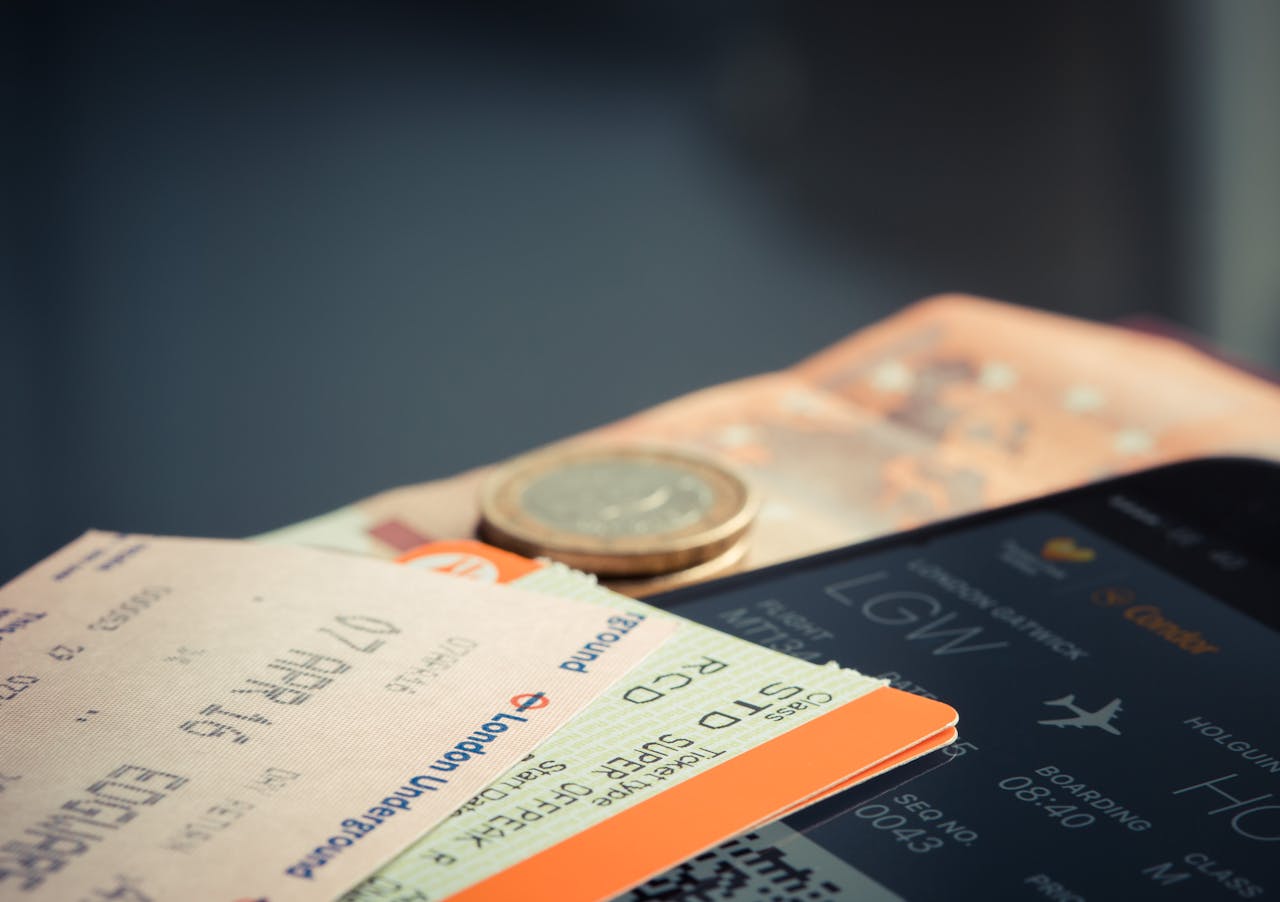
Instead of deciding, “We’re going to Tokyo in July, no matter what,” flip it around. Look at where flights are cheapest from your home airport over the next few months, and let the destination choose you. Flying to Lisbon in March might be half the price of flying to Rome in August. That doesn’t mean you’re “settling for Lisbon”; it means you’re discovering pastel de nata and ocean views at a discount.
Timing matters just as much as location. Aim for shoulder seasons, those lovely in–between months when kids are in school and the weather is still pleasant. Think April to early June in much of Europe, or September in places like Bali. Accommodation is cheaper, popular sights are less crowded, and locals are less overwhelmed (which honestly improves the whole vibe).
We’ve lost count of how many times we’ve visited a place slightly off season and ended up loving it more for that reason alone.
Get strategic with flights
Flights are often the biggest line item, so a little strategy goes a long way.
Be flexible with dates by a few days on either side. Midweek flights are often cheaper than weekend ones. Early morning departures can be cheaper too (yes, the 6 a.m. airport wake-up is rough, but your wallet will thank you).
Consider nearby airports as well. Flying into Milan instead of Venice or Brussels instead of Amsterdam can lower your costs, and trains or buses between cities in Europe and parts of Asia are usually affordable and easy.
If you travel semi-regularly, airline points and miles are worth exploring. Even using one rewards card for everyday purchases can add up to a free or heavily discounted flight over time. Just treat it like a debit card and pay it off in full; otherwise the interest wipes out the benefit.
Also, pack light. A carry-on-only mindset saves baggage fees, makes budget airlines less scary, and gives you far more freedom to move around without lugging half your wardrobe along.

Rethink where you sleep
Accommodation doesn’t have to mean expensive hotels.
Hostels have evolved a lot. Many now offer private rooms with en-suite bathrooms that feel more like a cozy guesthouse, just with a social common area downstairs. You can meet other travelers in the lounge, then enjoy your own space at night. In cities like Berlin, Budapest or Chiang Mai, this can cut your costs dramatically compared with hotels.
Guesthouses, small family-run inns and homestays can be gems. They often include breakfast and local tips that you’d never get from a front desk brochure. In places like Vietnam, Portugal or Mexico, these stays can feel like being adopted by a temporary family.
Apartments can be budget friendly if you’re staying longer than a few days. Having a kitchen means you can cook, store snacks and relax at “home” some evenings instead of going out for every single meal.
If you’re really leaning into slow, budget travel, things like house-sitting or work-exchange programs (helping out a few hours a day in exchange for a place to stay) can reduce your accommodation costs to almost zero. It suits people who don’t mind routine and staying in one place for a while rather than moving every two days.
Eat like you actually live there
One of the easiest ways to overspend is by eating every meal in touristy restaurants near the main sights.
Look for where locals are eating. Busy little spots a few streets away from the main square usually mean better prices and better food. Street food can be an absolute budget savior in cities like Bangkok, Istanbul or Mexico City. As long as there’s a decent turnover and things look freshly cooked, it’s often some of the most authentic food you’ll try.
Supermarkets are your friend. Grabbing yogurt and fruit for breakfast or making simple sandwiches for lunch can save big money over a week. We love the ritual of “picnic dinners” in new cities: a loaf of bread, some cheese, olives, fruit and a park bench with a view.
If your accommodation has a kitchen, cooking a few basic meals is a great way to save. No one is asking you to whip up a three-course feast. Even pasta, sauce and salad once in a while cuts costs. Think of eating out as the highlight, not the default.
Move around the cheap way
Once you’ve arrived, how you get around can make a huge difference.
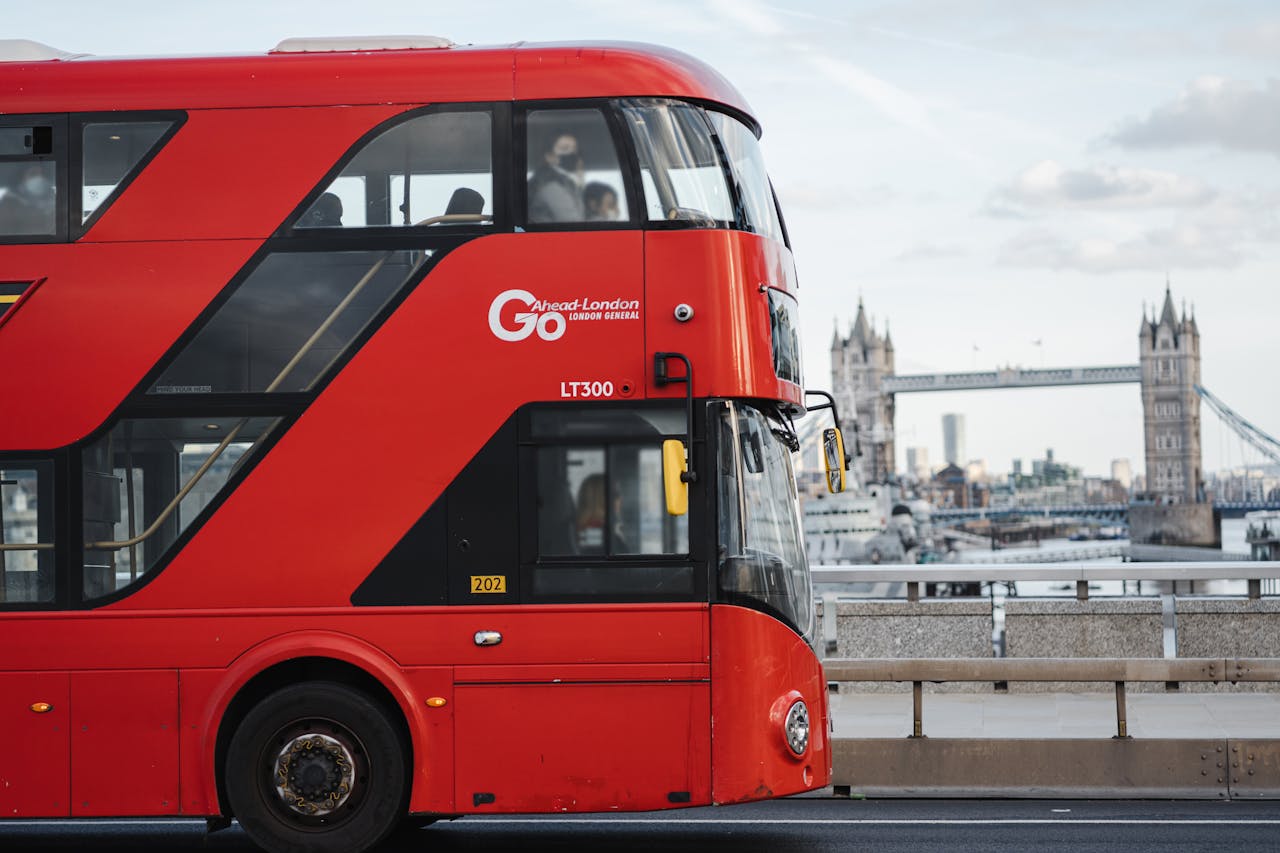
Public transport passes are often an incredible deal. Many cities offer day or week passes that cover buses, trams and metro for less than a couple of taxi rides. Learning the system on day one pays off all week. Walking is even better. It’s free, healthy and you see all the little details that you’d miss from a car window. Many of our favorite travel memories are from “accidental” discoveries while wandering side streets.
For longer distances, look into buses and regional trains rather than flights. In countries like Spain, Poland or Malaysia, buses between cities can be comfortable and surprisingly cheap. Overnight buses or trains can double as transport and accommodation, which is a beautiful two-for-one when you’re watching your budget.
Rideshares or splitting taxis with other travelers can be smart for certain routes, like late-night airport transfers where public transport is limited. Just make sure cost-sharing doesn’t turn into “oops, we just paid more than a bus ticket each.”
Prioritize experiences (and hunt for free ones)
This is where your trip really comes alive.
Before you go, make a short list of “must-do” experiences that matter most to you. Maybe it’s a cooking class in Florence, a boat trip in the Croatian islands, or a guided hike near Cusco. Allocate budget for those and be willing to spend there. It’s better to do a few meaningful activities than to do twenty rushed, mediocre ones.
Then, pad the rest of your itinerary with low-cost or free experiences. Many cities have free walking tours, where guides work for tips. Parks, viewpoints, local markets and beaches cost very little and often become the highlights anyway. City passes sometimes bundle museums, public transport and discounts into one card that can be worth it if you’re planning to pack in cultural sights.
If you like organized tours, look for small-group options that clearly state what’s included. Transparent pricing is key when you’re budget conscious. We’ve often found that a well-planned day tour, even if it seems like a splurge, can actually save money in places where DIY logistics would be complicated or require multiple separate tickets.
Give your money a plan
No one likes the feeling of checking their bank balance halfway through a trip and realizing they’ve gone wild.
Set a rough daily budget before you go. It doesn’t need to be rigid, just a guideline for accommodation, food, transport and activities. Some days you’ll go over, some days you’ll spend almost nothing, but having a range keeps things in check.
Use cards with low foreign transaction fees and a backup card stored separately. ATMs generally give better exchange rates than currency exchange desks at the airport, but watch out for ATMs that add extra withdrawal fees. Saying no to “dynamic currency conversion” (when the machine offers to charge you in your home currency) usually saves money.
A simple note on your phone where you jot down what you spend each day can be surprisingly powerful. It keeps you aware without turning the trip into a spreadsheet.
Travel slower than you think you should
Fast travel is expensive. Slow travel is where your budget really breathes.
Every time you change destinations, you pay in several ways: transport, possibly higher last-minute prices, time spent moving instead of enjoying, and extra little costs like snacks and taxis to stations. Staying longer in each place means fewer travel days and more days to simply live a little.
When you spend a week in one town instead of two days in three different towns, you start to find the cheap café where everyone goes, the supermarket with the best prices, and the sunset spot that isn’t on any list. The whole trip starts to feel less rushed, and your spending drops naturally.

The real “secret” to budget travel
In the end, traveling on a budget is less about hacks and more about mindset.
Say yes to early flights, street food, slow trains, off-season rain showers, and long walks. Say no (or at least “maybe not this time”) to constant taxis, fancy hotels every night and buying souvenirs out of obligation.
When we look back on our favorite journeys, the moments that shine were rarely the expensive ones. They were the simple dinners with new friends in a tiny guesthouse in Georgia, the free museum evening in Paris, the sunrise we almost missed because we didn’t want to get out of bed at 5 a.m.
Your version will look different, of course. That’s the fun of it. With a bit of planning and a willingness to be flexible, your budget trip can feel less like “making do” and more like exactly the way you want to see the world.